Do You Really Need Sunscreen Every Day?
By the DermaVault Editorial Team ·
For your face, on most days, yes. UVA rays, the ones tied to skin ageing, stay at a similar strength through the year and pass through cloud and window glass. The firm "every single day" rule comes from American dermatology bodies, while UK guidance links sun protection to a UV index of 3 or more, which in Britain is mostly mid-March to mid-October.
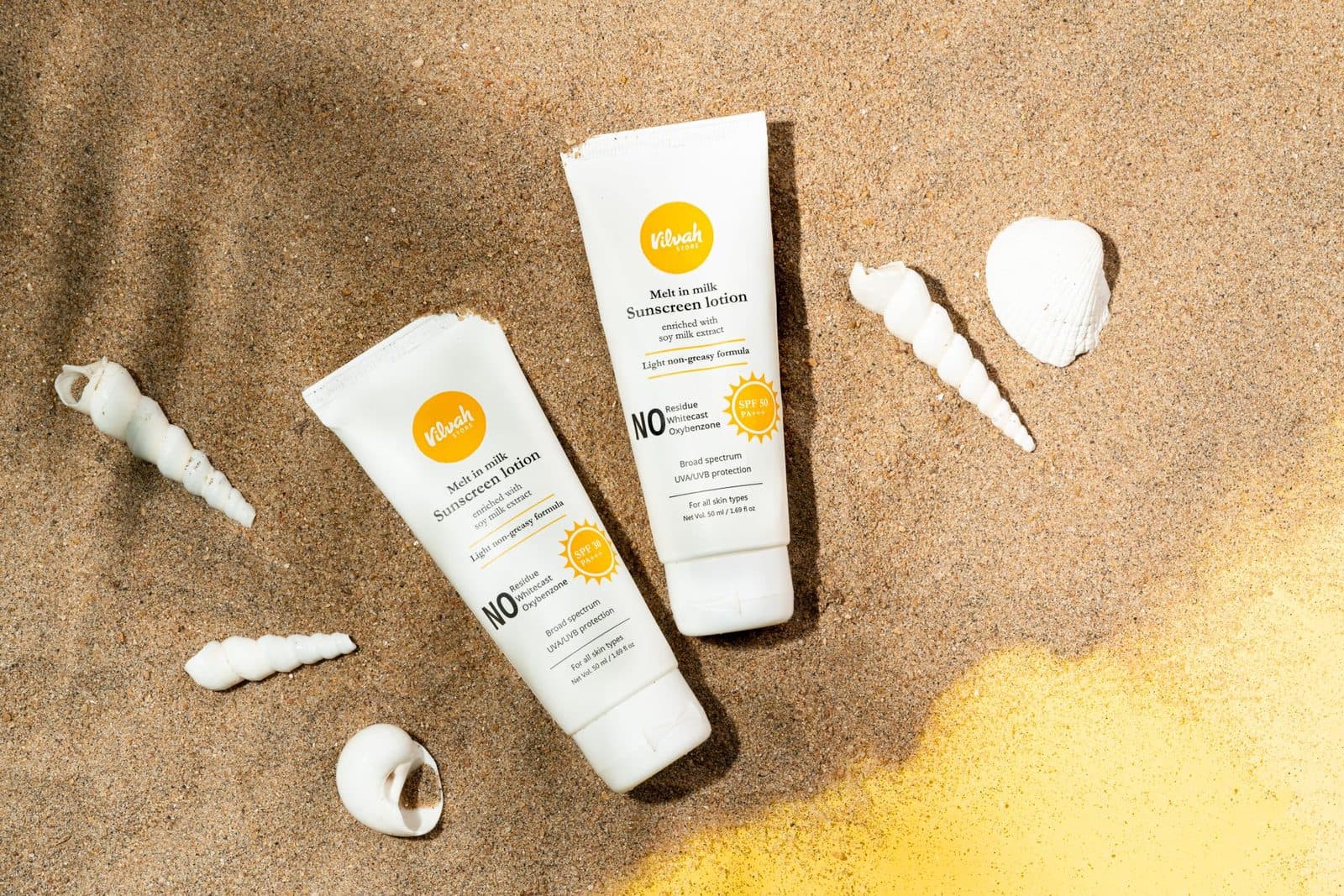
For your face, on most days, yes. The rays most linked to skin ageing, called UVA, stay at a similar strength during daylight all year, and they pass through cloud and window glass. A sunny forecast is a poor guide to how much of them you are getting.
Experts do differ on how strict to be. American bodies say every day without exception. UK guidance ties sun protection to the UV index, which is a more forgiving rule in a British winter. Below is what each position rests on, so you can decide what suits where you live and how you spend your days.
Why do dermatologists recommend sunscreen every day?
Sunlight reaches your skin as two kinds of ultraviolet (UV) light, and they behave differently.
UVB has the shorter wavelength. It is the main cause of sunburn, its intensity rises and falls with the season and time of day, and glass blocks it.
UVA has the longer wavelength and is mainly associated with tanning and skin ageing. According to the Skin Cancer Foundation, it makes up as much as 95 per cent of the UV radiation reaching the earth and keeps the same level of strength during daylight hours throughout the year. It gets through cloud and through windows.
So the days you feel no heat and see no sun are still days your skin receives UVA. This is the reasoning behind the American Academy of Dermatology (AAD) advice that your skin is exposed every time you go outside, including cloudy days and winter.
The pay-off for the habit is well documented for skin cancer. The Skin Cancer Foundation says regular daily use of SPF 15 sunscreen, used as directed, can lower the risk of squamous cell carcinoma by about 40 per cent and melanoma by 50 per cent. It also helps prevent premature skin ageing, which is why daily sunscreen sits at the centre of preventing fine lines in your 20s and 30s.

Do you need sunscreen on cloudy days, in winter or indoors?
Here is how the main situations break down.
| Situation | What the sources say | Sensible approach |
|---|---|---|
| Cloudy day | The AAD says up to 80% of UV passes through cloud. Cancer Research UK puts it at over 90% | Wear it |
| Winter | UVA holds steady year-round. UVB drops. Snow reflects UV and raises exposure | Wear it on your face if you are outside for long, and always around snow |
| Beside a window or in a car | UVA passes through window glass, UVB does not | Wear it if you sit by a window or drive a lot |
| Indoors, away from windows | Evidence is thin | Optional |
The cloud figures do not match exactly, but both sources agree that most UV gets through.
Where UK and US advice differ
The NHS and Cancer Research UK frame sun protection around the UV index. When it reaches 3 or above, protect your skin. In the UK the sun is often strong enough to cause damage between mid-March and mid-October, and it is strongest between 11am and 3pm.
That guidance is written mainly with sunburn and skin cancer in mind. It does not tell you to wear sunscreen on a dark January commute in Manchester, and the American advice does.
Both can be reasonable. If your main concern is cancer risk and you live somewhere with low winter UV, following the UV index is a defensible rule. If you also care about pigmentation and the gradual ageing linked to UVA, a year-round habit on your face makes more sense. A daily habit has one practical advantage too: you never have to check the forecast.
What about staying indoors all day?
Cleveland Clinic recommends sunscreen every day even indoors and mentions that fluorescent office lights give off some UV. None of the other sources used here make that case, so treat the lighting point as uncertain. The window point is solid. If you spend the day well away from windows, skipping it is a small risk.

Do darker skin tones need sunscreen?
Yes. The AAD's answer to who needs sunscreen is "everyone".
There is a second reason that often goes unmentioned. UV darkens existing hyperpigmentation, the brown marks left behind after breakouts or irritation. A research review on these marks points out that people with darker skin may not usually wear sunscreen and may not realise how much sun deepens them.
If uneven tone is your concern, a tinted sunscreen is worth seeking out. Tinted formulas contain iron oxide, which helps protect against visible light as well as UV. There is more on this in how to fade dark spots on your face.
Slow changes in tone are hard to judge by eye. A cosmetic skincare app such as DermaVault gives an estimated even tone score with each scan, which lets you compare over months.
Which sunscreen should you use daily?
Three things on the label matter.
- SPF 30 or higher. SPF 30 blocks 97 per cent of the sun's UVB rays, according to the AAD. Higher numbers block slightly more, and nothing blocks 100 per cent.
- Broad-spectrum protection, meaning it covers UVA as well as UVB. On UK products, look for a UVA rating of at least 4 stars out of 5.
- Water resistance, if you will be sweating or swimming.
One source is more relaxed: the Cleveland Clinic article suggests at least SPF 15 for ordinary days. Most of the others set the floor at 30, and that is the safer number to follow.
Mineral sunscreens contain zinc oxide, titanium dioxide or both. Chemical sunscreens use other filters. The Skin Cancer Foundation describes both types as safe and effective.
The best choice is the one you will put on every morning. If a sunscreen leaves a cast, pills under make-up or stings your eyes, you will stop using it, so try a different texture before giving up.
How much sunscreen do you need, and how often?
Using too little is one of the common reasons people burn despite wearing sunscreen, according to the AAD. Forgetting to reapply is another.
- Use at least one teaspoon for your face. The AAD describes this as the amount that covers the length of your index and middle fingers.
- Put it on as the last step of your morning skincare, before make-up. Our simple skincare routine for beginners shows where it fits.
- Give it time. The AAD says skin takes about 15 minutes to absorb sunscreen. The NHS says to apply 30 minutes before going out and again just before you leave.
- Reapply every two hours while you are outdoors, and straight after swimming, sweating or towelling off, even if the product is water-resistant.
For the whole body, the AAD figure is about one ounce, roughly a shot glass. The NHS puts it at 6 to 8 teaspoons.

What can't sunscreen do?
No sunscreen gives complete protection, however high the SPF. Cancer Research UK is clear that sunscreen should not be your only defence. Shade, clothing, a wide-brimmed hat and sunglasses do a share of the work, especially in the middle of the day.
Sunscreen also does not make tanning safe. The Skin Cancer Foundation's position is that a tan is a sign of sun damage.
Whether it improves damage that is already there is less certain. Cleveland Clinic cites a 2016 study in which people who used broad-spectrum sunscreen daily for a year saw an improvement in their skin's appearance. Its main job is still prevention.

When to see a dermatologist
See a dermatologist if every sunscreen you try leaves your skin red, itchy or stinging. They can help work out which ingredient is responsible and suggest formulas that avoid it.
It is also worth an appointment if dark patches on your face keep deepening even though you are wearing sunscreen daily. Several kinds of pigmentation behave this way, and a dermatologist can confirm which one it is and what else can be offered.
Common questions
Is the SPF in my moisturiser or foundation enough?+
Usually not on its own. Cancer Research UK says moisturisers and make-up with SPF do not give a thick enough layer of protection by themselves. Treat them as a bonus on top of a proper sunscreen.
Does wearing sunscreen every day cause vitamin D deficiency?+
Sun protection can lower the amount of vitamin D your skin makes. Studies have found levels in sunscreen users are lower but still within the normal range, and the usual advice is to get vitamin D from food or a supplement.
Is mineral sunscreen better than chemical sunscreen?+
Both protect well. Mineral sunscreens use zinc oxide or titanium dioxide, and chemical ones use other filters. Pick whichever you find comfortable enough to wear daily.
Does sunscreen expire?+
Yes. In the US, sunscreens must keep their original strength for at least three years. UK bottles carry an open-jar symbol with a number showing how many months the product lasts once opened.
Sources
- Sunscreen FAQs
- How to apply sunscreen
- Sunscreen and sun safety - NHS
- Sun safety | Reduce your skin cancer risk | Cancer Research UK
- UV Radiation & Your Skin
- Sunscreen & Your Skin
- Yes, You Should Wear Sunscreen Every Day
- Postinflammatory Hyperpigmentation: A Review of the Epidemiology, Clinical Features, and Treatment Options in Skin of Color
This guide is general information about skincare, not medical advice, and it cannot diagnose a skin condition. See a dermatologist or your doctor about anything that worries you.