Dry Skin vs Dehydrated Skin: Which Do You Have?
By the DermaVault Editorial Team ·
Dry skin is short of oil and dehydrated skin is short of water. Dryness tends to be a long-term skin type, while dehydration comes and goes with cold weather, heating, hot showers and harsh products. The signs overlap and many people have both, so the same routine helps: gentle cleansing, a water-attracting ingredient on damp skin, then a cream or ointment to seal it in.
Dry skin is short of oil. Dehydrated skin is short of water. Dryness is usually a skin type you have had for years, and dehydration is a state that comes and goes with the weather, central heating, hot showers and harsh products.
Plenty of people have both at once, and the signs overlap. The useful part of the distinction is that it tells you what your skin is missing, and so what to put back.
One honest caveat first. "Dehydrated skin" is a skincare term. The dermatology references used for this post don't treat it as a separate diagnosis, and describe a single problem, dry skin, with an oil side and a water side. That is how it is explained here.
What is the difference between dry and dehydrated skin?
It helps to know what the surface of your skin is made of.
The outermost layer is called the stratum corneum. Harvard Health describes it as bricks and mortar: flattened dead cells are the bricks, and fats (lipids) are the mortar between them. A review of moisturisers in the Indian Journal of Dermatology names those fats as ceramides, cholesterol and fatty acids.
That layer has two jobs that matter here. It holds water, and it stops water escaping.
For skin to feel smooth and supple, Harvard Health says the stratum corneum has to be at least 10% water, and ideally 20% to 30%. Below that, dead cells stop shedding in an orderly way and build up as flakes.
The fats keep the water in. When they are depleted, the barrier leaks, and water evaporates out through the skin. Dermatologists call this transepidermal water loss.
Oil from your oil glands (sebum) is the other part. Cleveland Clinic defines the dry skin type as one that doesn't produce enough sebum to lubricate the skin, leaving it dull, tight or scaly.
So the two words describe two shortages:
| Dry skin | Dehydrated skin | |
|---|---|---|
| What is missing | Oil: sebum and barrier fats | Water in the outer layer |
| How long it lasts | Usually long-term, a skin type | Usually temporary |
| Common triggers | Low oil production, age | Low humidity, heating, hot water, soap |
| What it needs most | Creams and ointments that replace and seal | Water-attracting ingredients, then a seal |
The two feed each other. A barrier that is low on fats loses water faster, so dry skin easily becomes dehydrated as well. If harsh products have stripped yours, see how to repair a damaged skin barrier.
How can you tell which one you have?
No home test separates them cleanly, and the look and feel are similar: tightness, dullness, roughness, more obvious fine lines. Treat what follows as clues.
Check your oil
Wash your face, pat it dry and wait 30 minutes. This is the skin type check described by Cleveland Clinic. If your whole face still feels dry after half an hour, with no shine anywhere, you may have a dry skin type.
If your forehead and nose are shiny but your skin still feels tight, oil is probably not what you lack. Water is the more likely shortage. There is a fuller version of this test in how to find your skin type at home.
Look at the timing
Dry skin as a type tends to be with you all year. Dryness that arrived with something specific points towards water loss from outside causes.
The usual suspects, according to DermNet and the American Academy of Dermatology (AAD), are low humidity, winter heating, air conditioning, hot baths and showers, and soaps or detergents.
Consider your age
DermNet states that nearly everyone over 60 has dry skin, and lists women after the menopause among those in whom dry skin can begin later in life. If your skin has become steadily drier with age, your skin type itself may be shifting.
Skip the pinch test
You may have seen advice to pinch your cheek or the back of your hand and see how fast it springs back. This is a real clinical check, called skin turgor, but it measures something else.
MedlinePlus, from the US National Library of Medicine, explains that it is used to assess fluid loss in the whole body, and that skin only stays tented with moderate to severe fluid loss. It won't tell you whether the surface of your face is short of water.
A cosmetic skincare app such as DermaVault can give you a number to watch here. Its scan produces hydration and barrier scores, which are estimates, and tracking them between scans shows whether a change to your routine is doing anything.
Does drinking more water fix dehydrated skin?
The evidence is thin, and it points to a small effect in some people.
In one study, 49 healthy women drank an extra 2 litres of water a day for 30 days. Skin hydration measurements improved significantly in the women whose usual water intake was lower. In those who already drank a lot, very little changed.
Measurements of the skin barrier and of water loss through the skin did not change in either group. That is one small study, in women with an average age of about 24.
So if you drink very little, drinking more may help. It won't repair a barrier that is letting water out, which is the job of what you put on your skin.
What should you do about it, step by step?
The same routine covers both problems. If you are oil-dry, lean harder on step 3. If you are water-dry, steps 1 and 2 matter most.
1. Wash in a way that takes less out
Keep showers and baths to five to ten minutes and use warm water, as the AAD advises. Use a gentle, fragrance-free cleanser and pat your skin dry.
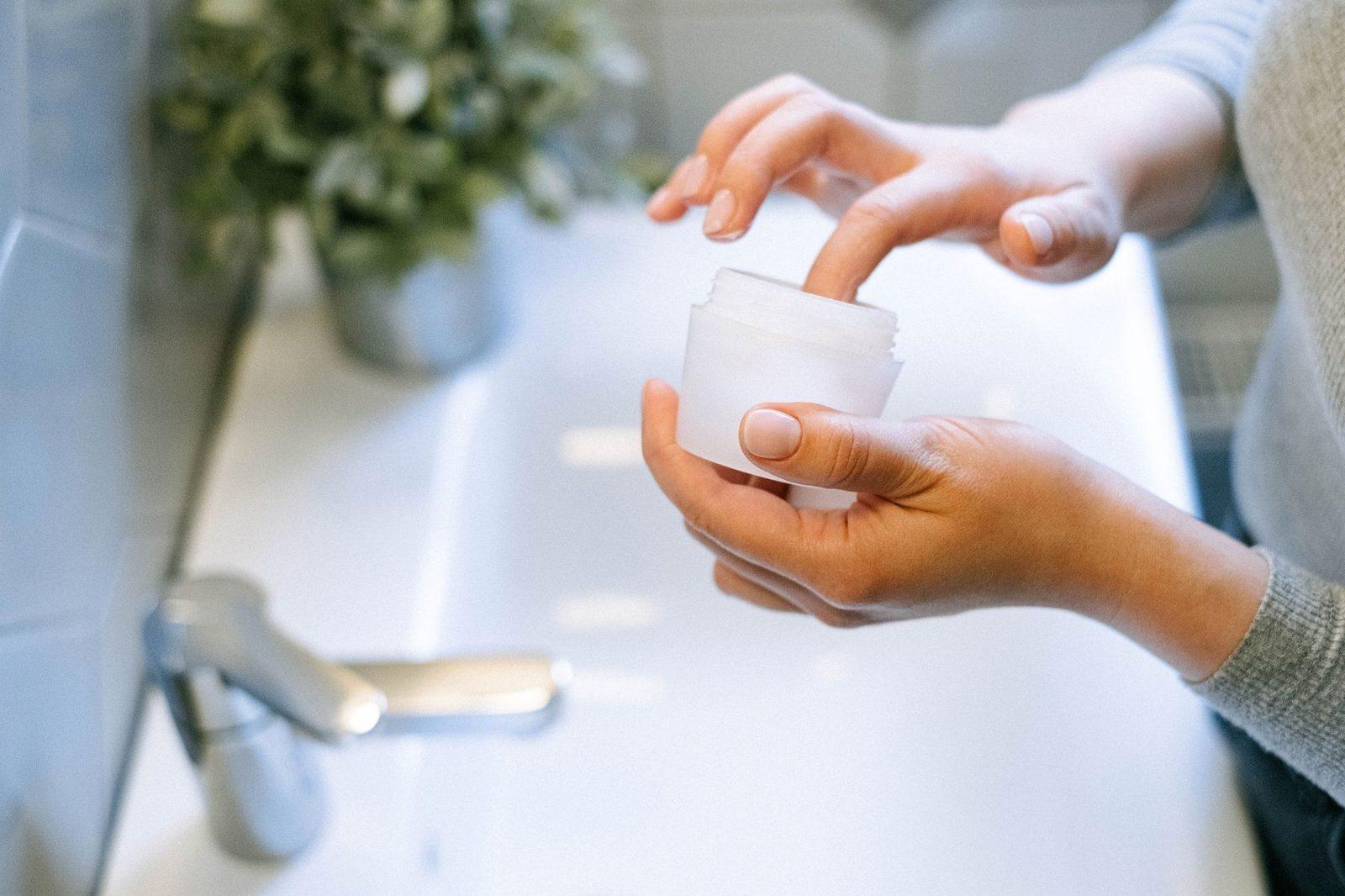
2. Put a humectant on damp skin
A humectant is an ingredient that attracts water. Harvard Health lists glycerin, urea, panthenol and sorbitol, and explains that they draw water into the outer layer from deeper in the skin and from the air. The AAD also lists hyaluronic acid and lactic acid among ingredients that help dry skin.
Apply it while your skin is still damp from washing.
There is a catch. The moisturiser review calls humectants a double-edged weapon, because the water they pull up into the outer layer can then evaporate. That is why they are usually combined with a sealing ingredient. A hydrating serum with nothing over it can leave you no better off.
3. Seal it in
An occlusive is an ingredient that forms a film and blocks evaporation. The review reports that petrolatum (petroleum jelly), at a concentration of 5% or more, reduces water loss through the skin by more than 98%, while lanolin, mineral oil and silicones such as dimethicone manage 20% to 30%.
In practice this means a cream or an ointment. The AAD says both are more effective than lotions for dry skin. Shea butter, jojoba oil, lanolin, mineral oil, petrolatum and dimethicone are all on its list of helpful ingredients.
Most moisturisers contain a humectant and an occlusive together, so steps 2 and 3 can be one product. A basic morning and night order is set out in a simple skincare routine for beginners.
4. Reapply
The moisturiser review notes that the effect peaks 30 minutes to an hour after application and usually lasts about four hours. The AAD suggests reapplying through the day whenever your skin feels dry. On your face, morning, night and after washing is a realistic minimum.
5. Pause the things that dry you out
While your skin is dry, the AAD advises avoiding products that contain alcohol, fragrance or retinoids. Bring a retinoid back once your skin is comfortable again, and try any new product on a small area first.
6. Fix the air
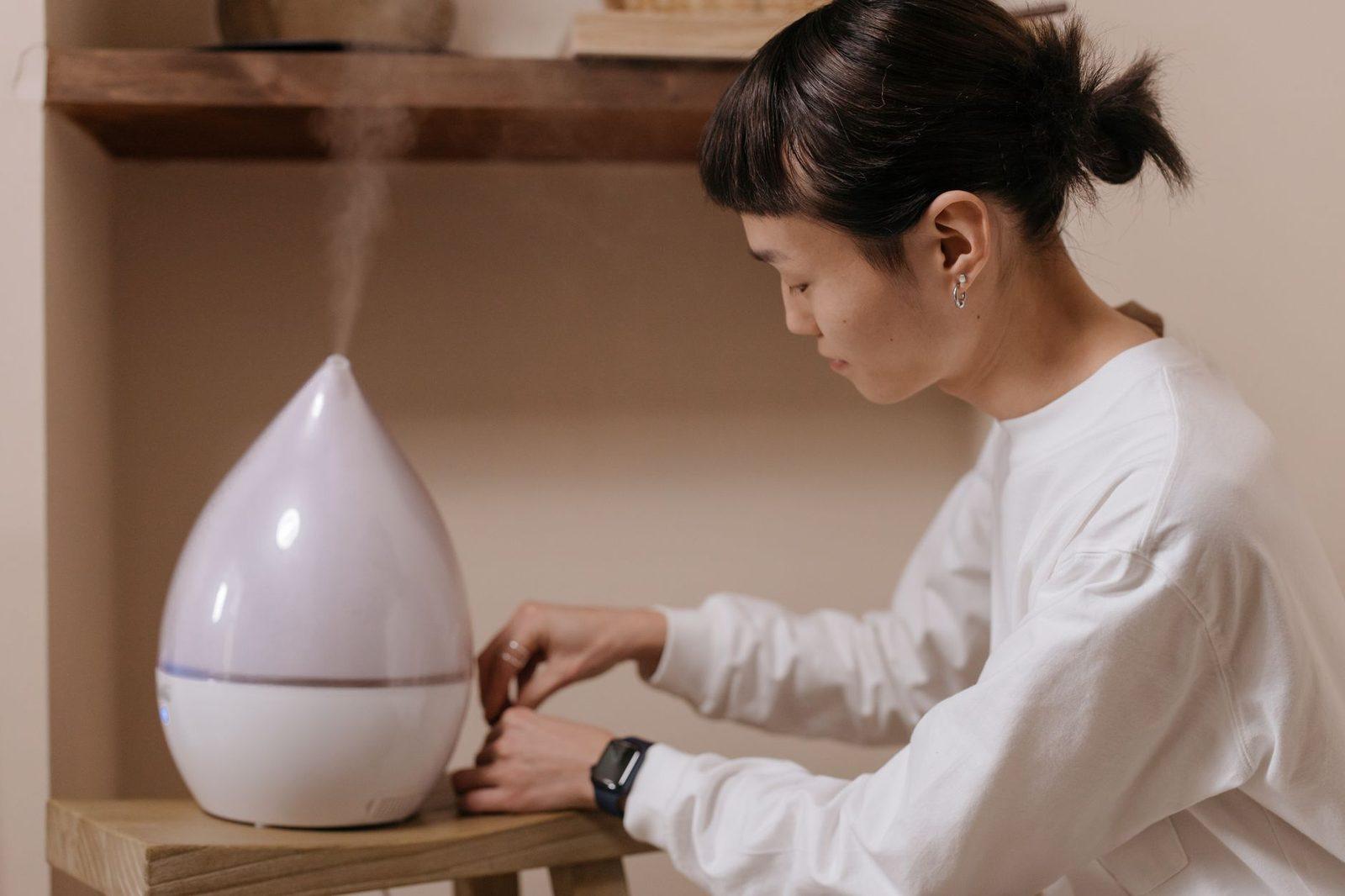
Run a humidifier in your bedroom at night. Harvard Health also suggests turning the thermostat down, since hot air is drier.
7. Keep wearing sunscreen
The AAD includes a broad-spectrum, water-resistant sunscreen of SPF 30 or higher in its dry skin advice.
How long does it take to improve?
The AAD says that when a dry skin routine is working, you tend to see improvement within two weeks.
None of the sources gives a separate timescale for dehydration. A dry skin type is likely to need the routine long term, since it is the skin's own oil production that is low.
What doesn't work?
- The pinch test. It checks for fluid loss in the body.
- Water alone. One small study suggests a benefit if your intake is low, and no change to the barrier.
- A humectant serum with nothing on top. The water it attracts can evaporate.
- Lotions for properly dry skin. Creams and ointments do more.
- Long, hot showers. Harvard Health says hot water washes away the fats that help skin hold water, and DermNet advises lukewarm water.
- Fragranced or alcohol-based products. The AAD advises against both while your skin is dry.
When to see a dermatologist
See a dermatologist or your GP if:
- Your skin hasn't improved after about two weeks of the routine above, or it is getting worse. The AAD notes that this suggests something other than dry air is responsible.
- Your skin is cracking, or looks inflamed. DermNet lists eczema and skin infection among the complications of untreated dry skin.
- The itch is persistent.
- The dryness came on after starting a new medicine. Some medicines cause it.
- You have dryness with red patches that sting or burn. Why is my face so red? covers the common causes, which a dermatologist can tell apart.
Persistent, widespread dryness can also be a sign of a condition such as atopic dermatitis, psoriasis, an underactive thyroid or kidney disease, which a doctor can check for.
Common questions
Can oily skin be dehydrated?+
It seems so, although the medical sources don't address it directly. Oil output and the water content of the outer skin layer are separate things, so a face can be shiny and still feel tight. A lighter moisturiser applied to damp skin is a sensible first step.
Is hyaluronic acid enough on its own for dehydrated skin?+
Probably not. Water-attracting ingredients can pull water up into the outer layer where it evaporates, so a review of moisturisers recommends combining them with an ingredient that seals water in, such as petrolatum or dimethicone.
Should I use a lotion, a cream or an ointment?+
For dry skin, the American Academy of Dermatology says creams and ointments work better than lotions, and suggests applying one throughout the day.
Does dry skin get worse with age?+
Yes, for most people. DermNet states that nearly everyone over 60 has dry skin, and it can begin later in life in women after the menopause.
Sources
- Moisturizers: Do they work?
- Moisturizers: The Slippery Road
- Dry Skin (Xeroderma): Causes, Treatments, and More
- Dermatologists' top tips for relieving dry skin
- Dry skin: Overview
- Dietary water affects human skin hydration and biomechanics
- What Is My Skin Type and Why Does It Matter?
- Skin turgor
This guide is general information about skincare, not medical advice, and it cannot diagnose a skin condition. See a dermatologist or your doctor about anything that worries you.