How to Start Retinol Without Irritation
By the DermaVault Editorial Team ·
Start with the mildest retinol you can find, a pea-sized amount for the whole face, every second or third night. Follow it with moisturiser, wear sunscreen every morning, and only increase to nightly use once your skin stays calm. Early dryness usually settles within about four weeks.
Start low and go slowly. Use the mildest retinol you can find, a pea-sized amount for your whole face, every second or third night. Follow it with moisturiser and wear sunscreen every morning. Move up to nightly use only when your skin stays calm at the current step.
Some dryness in the first weeks is expected, and it usually settles within about four weeks. The steps below are designed to keep it mild.
One thing before anything else: retinoids, including over-the-counter retinol, are not recommended if you are pregnant, trying to conceive or breastfeeding. Check with your doctor about what to use instead.
What is retinol, and why does it irritate?
Retinol is a form of vitamin A that you can buy without a prescription. It is part of a family called retinoids, which also includes prescription medicines such as tretinoin.
The American Academy of Dermatology (AAD) explains that retinoids speed up the turnover of surface skin cells and increase collagen, the protein that keeps skin firm. That is why retinol is used for uneven tone, rough texture and fine lines. Fine lines in your 20s and 30s shows where retinol sits among the other ways to prevent them.
The same speeding-up is what makes skin dry and flaky at first. A published review of retinoids and skin ageing calls this the "retinoid reaction": itching, burning, redness and peeling that generally shows up within the first few weeks.
There is some reassurance in that review. It reports the reaction is more common with prescription tretinoin than with retinol. Your skin has to convert retinol into its active form, retinoic acid, and the review puts retinol at about 20 times less potent than tretinoin.
Lower potency means less irritation, and more modest results.
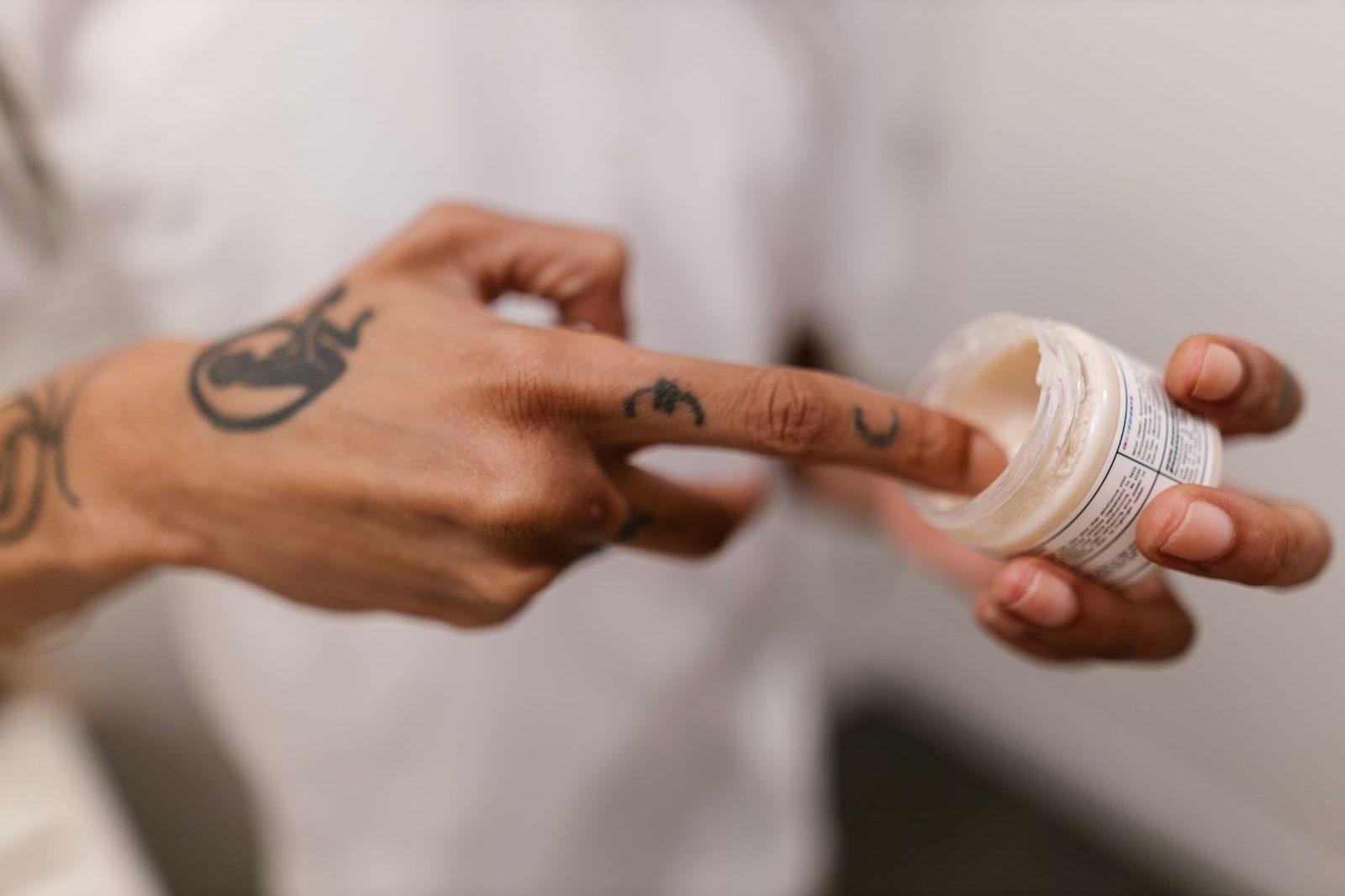
Who should not use retinol?
Check this list before you buy anything.
- Pregnant, trying to conceive or breastfeeding. The AAD says retinoids should not be used during pregnancy, and both Harvard Health and the British Cosmetic Dermatology Group advise avoiding them while trying to conceive and while breastfeeding too. Speak to your doctor.
- Very dry, allergy-prone or eczema-prone skin. The AAD says people with skin allergies or dryness are probably not good candidates.
- A lot of redness or inflammation. The AAD advises against retinoids here as well.
If you have a darker skin tone, retinol is still an option, but take the slow route seriously. The AAD notes that in skin of colour, irritation can trigger dark marks, and that starting slowly and using moisturiser helps to reduce that risk.
Which retinol should you start with?
The mildest one. The AAD's advice is to use the least intense retinoid formula you can find.
That is harder than it sounds, because the AAD also points out that over-the-counter products are not required to show the percentage of retinol on the label. Where a percentage is given, choose the lowest in the range. Where it isn't, look for a product described as gentle or made for beginners.
The British Cosmetic Dermatology Group ranks the non-prescription forms by strength. Retinyl esters (such as retinyl palmitate) are the weakest. Retinol is stronger. Retinaldehyde, also called retinal, is more potent again.
Retinol also breaks down easily. The review mentioned earlier describes it as extremely unstable when exposed to light and air, so keep the lid closed and store it in a cupboard.
How do you apply retinol, step by step?
Do this in the evening only.
- Patch-test. The AAD method is to apply the product to a coin-sized spot on the underside of your arm or the bend of your elbow, twice a day for seven to 10 days. The AAD adds that mild irritation from retinol can be normal and temporary, so what you are looking for is a clear reaction: red, itchy or swollen skin.
- Wash your face with a gentle cleanser and pat it dry.
- Wait. The AAD's guidance for people in their 20s suggests leaving 20 to 30 minutes after washing before you apply a retinoid.
- If your skin is on the dry side, apply a thin layer of moisturiser first. The British Cosmetic Dermatology Group suggests doing this about 15 minutes beforehand.
- Apply a pea-sized amount of retinol in a thin layer over the whole face, as Cleveland Clinic describes.
- Finish with a moisturiser that won't clog your pores.
- The next morning, and every morning, use a broad-spectrum sunscreen of SPF 30 or higher.

How often should you use it in the first weeks?
The sources agree on the pattern and differ slightly on the detail. The AAD says every other night to start. The British Cosmetic Dermatology Group says every second or third night. Harvard Health describes moving from every third night, to every other night, to nightly.
A cautious schedule built from those looks like this. The week numbers are a guide. Your skin decides the pace.
| Stage | How often | Move on when |
|---|---|---|
| Weeks 1 and 2 | Every third night | No stinging or peeling |
| Weeks 3 and 4 | Every other night | Skin feels comfortable the morning after |
| Week 5 onwards | Nightly, if tolerated | Stay here |
If you get sore or flaky at any stage, drop back to the previous step and stay there until your skin settles.
Nightly use is the usual goal in these sources, but nothing here says you have to reach it. If every other night is what your skin tolerates, keep to that.
Change in skin is slow, which makes it easy to give up early or push too hard. Taking a photo in the same light every few weeks helps. So does a tracker: DermaVault, a cosmetic skincare app, estimates scores such as texture, calmness and barrier at each scan, so you can see whether your skin is settling or getting more irritated as you increase.
What should you avoid while your skin adjusts?
Keep everything else in your routine plain.
The British Cosmetic Dermatology Group advises avoiding other potentially irritating products, such as hydroxy acids (glycolic acid is a common one), until your skin has adjusted. You can cautiously bring them back later. For glycolic and salicylic acid, Cleveland Clinic suggests alternating with retinol or keeping the acid for the morning.
The same group advises against facial waxing, dermaplaning, chemical peels and laser on treated skin unless a clinician has approved it. Tell anyone doing a facial treatment that you use a retinoid.
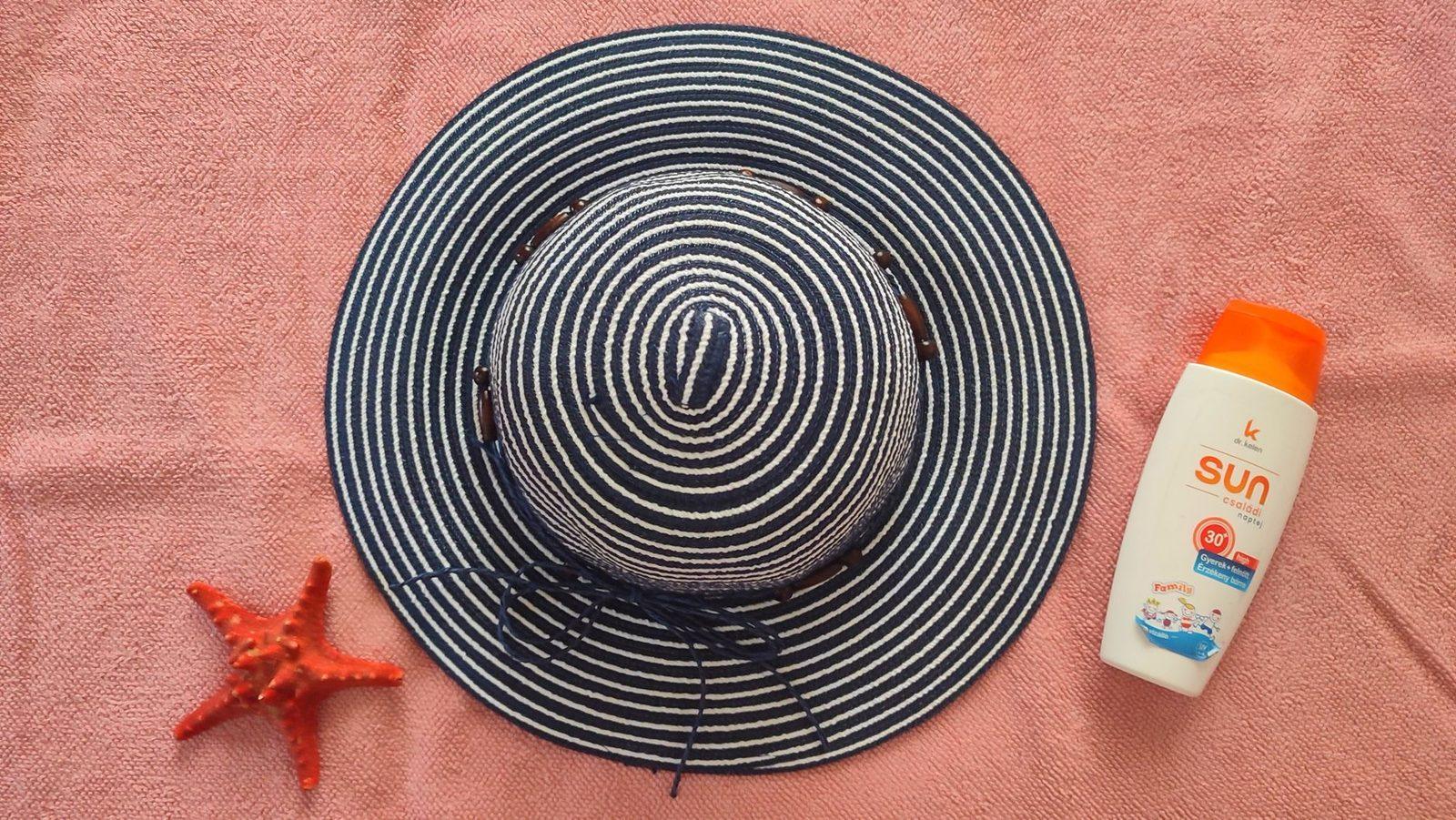
Do not skip sunscreen. Retinoids make skin more sensitive to the sun, and the AAD recommends shade, a wide-brimmed hat and sunscreen on all uncovered skin. Harvard Health and Cleveland Clinic give SPF 30 as the minimum, and the British Cosmetic Dermatology Group recommends SPF 50. There is more in do you really need sunscreen every day.
Some ingredients help. Cleveland Clinic notes that hyaluronic acid and niacinamide may counteract retinol's irritating effects. What niacinamide does for your skin explains why.
If you also want to use vitamin C, keep it for the morning. The details are in can you use vitamin C and retinol together.
What is normal, and how long until you see results?
In the first few weeks you may notice redness, dryness, flaking, and tingling or mild stinging. The British Cosmetic Dermatology Group lists all of these as common early effects and says irritation typically resolves within four weeks.
You may also break out. The same group describes a temporary flare of spots, often called purging, as blocked pores begin to clear. Skin purging vs breaking out explains how to tell the difference.
Results take patience. The British Cosmetic Dermatology Group puts the first improvements at 8 to 12 weeks. For wrinkles, Harvard Health says it takes three to six months of regular use before improvement shows, and the best results take six to 12 months. Those Harvard figures cover retinoids as a group, and over-the-counter retinol is weaker than the prescription versions.
Harvard is also clear about the limits. Non-prescription retinoids are less effective on wrinkles than tretinoin, though they do improve the look of sun-aged skin. And the benefits last only while you keep using the product.
When to see a dermatologist
Stop using retinol and see a dermatologist if you have swelling, blistering, an itchy rash, or burning that does not ease after you wash the product off. That can be a sign of an allergic or irritant reaction, which a dermatologist can confirm.
Book an appointment as well if:
- irritation is still there after four weeks even though you have cut back. The British Cosmetic Dermatology Group says a clinician may recommend a lower strength or frequency.
- you are developing dark marks where your skin has been irritated
- a flare of spots is getting worse instead of settling, or the spots are deep and painful
- you have moderate or severe acne scarring, which the AAD says needs a dermatologist's advice
- you have used retinol consistently for six months and seen no change
Prescription retinoids are stronger than anything sold over the counter, and a dermatologist can tell you whether one is suitable for you.
Common questions
Should I put moisturiser on before or after retinol?+
Either works. Cleveland Clinic advises finishing with moisturiser, and the British Cosmetic Dermatology Group suggests a thin layer about 15 minutes before retinol to reduce irritation. If your skin is dry, do both.
Can I use retinol every night straight away?+
It is better not to. The American Academy of Dermatology advises starting every other night and building up slowly, and other sources suggest every second or third night.
Can I use retinol in the morning?+
The American Academy of Dermatology advises using retinoids only at night. Cleveland Clinic explains that they become inactive and irritating when exposed to sunlight.
What strength of retinol should a beginner use?+
The mildest one available. Over-the-counter products are not required to state their retinol percentage, so look for one described as gentle or for beginners and build up from there.
Is retinol the same as tretinoin?+
No. Both are retinoids, but tretinoin is prescription-only and much stronger. One review puts retinol at about 20 times less potent, which also makes it less irritating.
Sources
- Retinoid or retinol?
- Retinol: Cream, Serum, What It Is, Benefits, How To Use
- Topical Retinoids - British Cosmetic Dermatology Group
- Do retinoids really reduce wrinkles?
- Drugstore skincare: Science-backed anti-aging ingredients that don't break the bank
- Retinoids in the treatment of skin aging: an overview of clinical efficacy and safety
- How to test skin care products
- Dermatologist-recommended skin care for your 20s
- How To Order Your Skin Care Routine
This guide is general information about skincare, not medical advice, and it cannot diagnose a skin condition. See a dermatologist or your doctor about anything that worries you.