How to Minimise Large Pores: What Works and What Doesn't
By the DermaVault Editorial Team ·
You can't permanently shrink pores, because their size is mostly inherited. You can make them look smaller by keeping them clear with gentle cleansing, salicylic acid and non-comedogenic products, using a retinol at night, and wearing sunscreen every day so the skin around them stays firm.
You can't permanently shrink your pores. Their size is set mostly by your genes, and no cream changes that. What you can change is how large they look, by keeping them clear, keeping oil in check and protecting the firmness of the skin around them.
That is a smaller promise than most pore products make, and it is the one the evidence supports. DermNet, a dermatology reference written by clinicians, says plainly that treatments aimed at preventing and shrinking large pores "are not very effective". So the aim here is a visible but modest improvement from a short routine you can keep up.
What is a pore, and why do some look bigger than others?
A pore is a small dip in the skin's surface that holds the opening of a duct. Those ducts carry sweat and oil (called sebum) up from the glands underneath. Everyone has pores, at every age and in every ethnic group.
Several things decide how visible yours are.
- Genetics. Cleveland Clinic describes pore size as mostly a result of what you inherit.
- Oil. A review of oily skin in the Journal of Clinical and Aesthetic Dermatology found a direct relationship between pore size and the amount of sebum produced. The centre of the face has more oil glands, which is why pores on the nose and inner cheeks stand out.
- Blockages. The American Academy of Dermatology (AAD) explains that a clogged pore expands, so it looks larger. Acne has the same effect.
- Loss of firmness. Collagen and elastin are the proteins that keep skin springy. As they decline with age and sun exposure, the skin around each pore slackens and the opening looks wider.
- Hormones. Oil production rises at puberty. DermNet notes that pore size can also shift through the menstrual cycle and is largest around ovulation.
The same review reports more sebum in spring and summer and in humid climates. If your pores look worse in July or on a beach holiday, that is a likely reason.

What helps pores look smaller, and in what order?
Work through these in order, adding one new product at a time. That way you can tell what is helping and what is irritating you.
1. Check everything that touches your face
The AAD's first piece of advice is to look for one of these terms on every product you apply to your face: non-comedogenic, oil free, or won't clog pores. Non-comedogenic simply means the product is designed to leave pores unblocked.
This covers make-up, sunscreen and moisturiser as well as cleanser. DermNet lists pore-clogging products among the causes of enlarged pores, so this step costs nothing and removes one cause.
2. Cleanse twice a day, gently
Wash your face morning and night with a gentle, non-comedogenic cleanser and warm water. Hot water and scrubbing are both out. The AAD's instruction is to wash gently and never scrub.
3. Add salicylic acid
Salicylic acid is a beta hydroxy acid, a type of chemical exfoliant. The AAD says studies show it can unclog pores, and recommends trying it as a cleanser.
Some salicylic acid cleansers are gentle enough for daily use. If yours leaves your skin dry or sore, the AAD suggests alternating it with a mild cleanser.
Leave-on acid peels are stronger. Cleveland Clinic says most over-the-counter peels can be used every two weeks, sometimes weekly, depending on the product. Moisturise straight afterwards.
Two cautions. The AAD advises against strong exfoliation if you have a darker skin tone or tend to get dark marks after spots or insect bites, because aggressive exfoliation can leave dark spots. If you are pregnant or breastfeeding, check with your doctor before using salicylic acid peels.
4. Use a retinol at night
Retinol increases the production of collagen, according to Cleveland Clinic, and the AAD recommends it for large pores if your skin is oily, mildly acne-prone or less firm than it was.
Start slowly. Cleveland Clinic suggests a thin layer twice a week, building towards nightly use, because retinol often irritates at first. The AAD's version is the lowest strength you can find, every other night.
Use it only at night, since it makes skin more sensitive to the sun. Irritation from retinoids can also trigger dark marks in darker skin tones, which is another reason to build up gradually. There is a fuller guide in how to start retinol without irritation.
Retinol and retinyl palmitate are not recommended if you are pregnant or breastfeeding. Check with your doctor.
Retinol is slow to show results, so take a photo of your bare face in daylight before you start, and another in the same light once a month. A cosmetic skincare app such as DermaVault can help here, since its scan maps shine and blackheads by face zone and gives a texture score, all as estimates, so you can compare one scan with the next.
5. Consider niacinamide
Niacinamide is a form of vitamin B3. The oily skin review describes a study of 100 people in which 2% niacinamide significantly lowered oil output after two and four weeks.
Cleveland Clinic is careful about what that means for pores: niacinamide can't reduce their size, but it may make them less noticeable by improving how smooth the skin looks. Most products contain 5% or less, and it can be used once or twice a day after cleansing. More detail is in what niacinamide does for your skin.
6. Wear sunscreen every morning
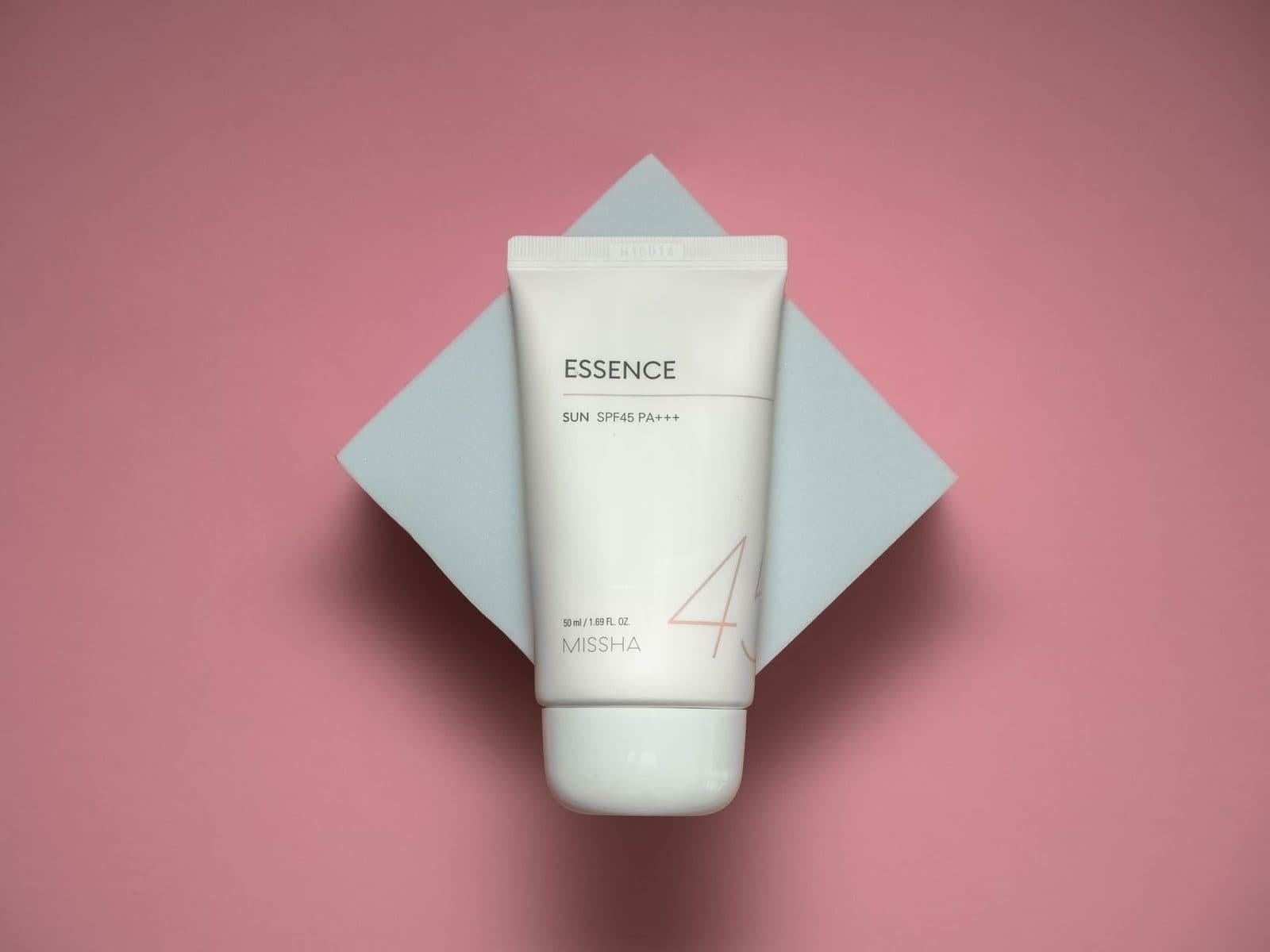
Sun damage reduces the firmness of your skin, and less firm skin shows pores more. The AAD recommends a broad-spectrum, water-resistant sunscreen of SPF 30 or higher every day, including when it is cold or raining.
Pick one labelled non-comedogenic. If you are not convinced daily SPF is necessary, read do you really need sunscreen every day.
Patch-test anything new
Before putting a new active on your face, the AAD suggests applying it to a coin-sized spot on the underside of your arm or the bend of your elbow, twice a day for seven to ten days. If the skin stays calm, go ahead.
How long before you see a difference?
The sources are thin on timings, and it is better to say so than to invent a number.
Oil control comes first. In the niacinamide study, the drop in sebum showed at two and four weeks.
Changes to the pores themselves are slower. The clearest figure comes from a prescription retinoid, tazarotene, in the oily skin review: after 24 weeks of daily use, 42% of people had a reduction in pore size, which the review describes as significant compared with the placebo group. The sources here include no equivalent trial of shop-bought retinol on pore size, so treat six months as a guide to how gradual this is.
Because the change is slow, it is hard to judge in the mirror, which is where the monthly photo earns its place.
What doesn't work?
- Ice cubes and chilled rollers. Cleveland Clinic says these do tighten the skin, but the effect lasts only a few minutes and fades as your skin warms up.
- Red light devices. The same article says research hasn't proven red light to be an effective treatment for pores.
- Scrubbing and over-exfoliating. The AAD warns that overdoing exfoliation leaves skin red and irritated, and in darker skin tones it can leave dark spots. How often to exfoliate sets out a sensible limit.
- Any product that claims to shrink or erase pores for good. Their size is largely inherited.

Pore strips and facial steaming are not addressed by any of the sources listed below, so there is no evidence here to recommend them.
One more thing to rule out. If the marks that bother you are dark dots across the nose, they may not be blocked pores in the usual sense. Blackheads vs sebaceous filaments explains how to tell.
What can a dermatologist offer?
If home care has done as much as it can, there are options that only a doctor can provide. These are listed for information, as things to ask about.
- Prescription-strength retinoids and chemical peels.
- Oral treatments used for acne and oil control. DermNet lists combined oral contraceptives, spironolactone and isotretinoin.
- Procedures such as laser treatment and radiofrequency microneedling. Cleveland Clinic notes that lasers can make a more noticeable and longer-lasting difference than at-home treatments, with sessions typically every four to eight weeks.
- Skin-tightening procedures, which the AAD mentions for pores that look larger because the skin has started to sag.
Even these have limits. DermNet's verdict that pore treatments are not very effective applies to the clinic as well as the bathroom shelf.
When to see a dermatologist
Book an appointment if:
- You have used the steps above consistently and your pores look no different.
- You have acne that salicylic acid isn't controlling. Enlarged pores with frequent spots can be a sign of acne that needs more than a cleanser, which a dermatologist can confirm and manage.
- A product has left your skin red, swollen or itchy and it hasn't settled after you stopped using it.
- You have a darker skin tone and want to exfoliate. The AAD suggests asking a dermatologist first whether it is right for your skin.
- Your pores have become more obvious as your skin has lost firmness and you want to know whether a procedure would be worthwhile.
Common questions
Do pores get bigger with age?+
They often look bigger. DermNet notes that pore size frequently increases with age, because the skin loses elasticity and the support around each opening slackens. Sun damage speeds this up.
Does niacinamide shrink pores?+
It doesn't change their size. One study found 2% niacinamide lowered oil output after two and four weeks, and Cleveland Clinic says it may make pores look less obvious by smoothing the skin.
Can I use retinol for pores if I'm pregnant?+
No. The American Academy of Dermatology says not to use retinol or retinyl palmitate if you are pregnant or breastfeeding. Ask your doctor what is suitable instead.
Why are the pores on my nose the most visible?+
The centre of the face has more oil glands than the outer cheeks, and pore size tracks with how much oil the skin makes. That is why the nose and inner cheeks tend to show pores most.
Does oily skin mean larger pores?+
Often, yes. A review of oily skin found a direct relationship between pore size and the amount of oil produced, and an oily surface also makes pores look larger.
Sources
- What can treat large facial pores?
- Enlarged pores
- 7 Ways To Minimize Pores
- Oily Skin: A Review of Treatment Options
- How to safely exfoliate at home
- Retinoid or retinol?
- Top 6 Benefits of Niacinamide
- How to test skin care products
This guide is general information about skincare, not medical advice, and it cannot diagnose a skin condition. See a dermatologist or your doctor about anything that worries you.